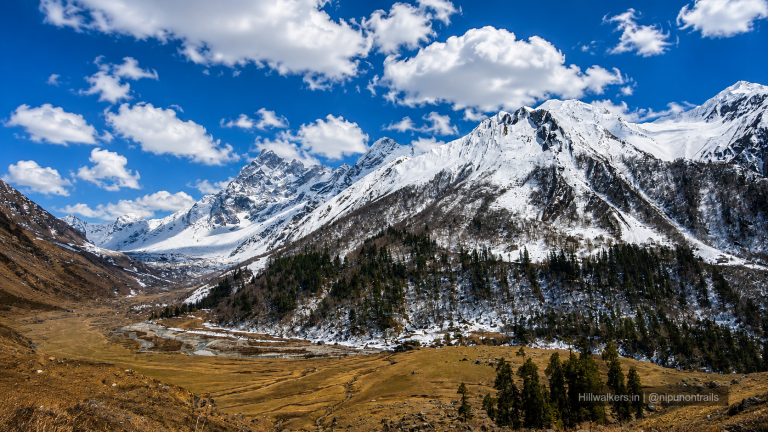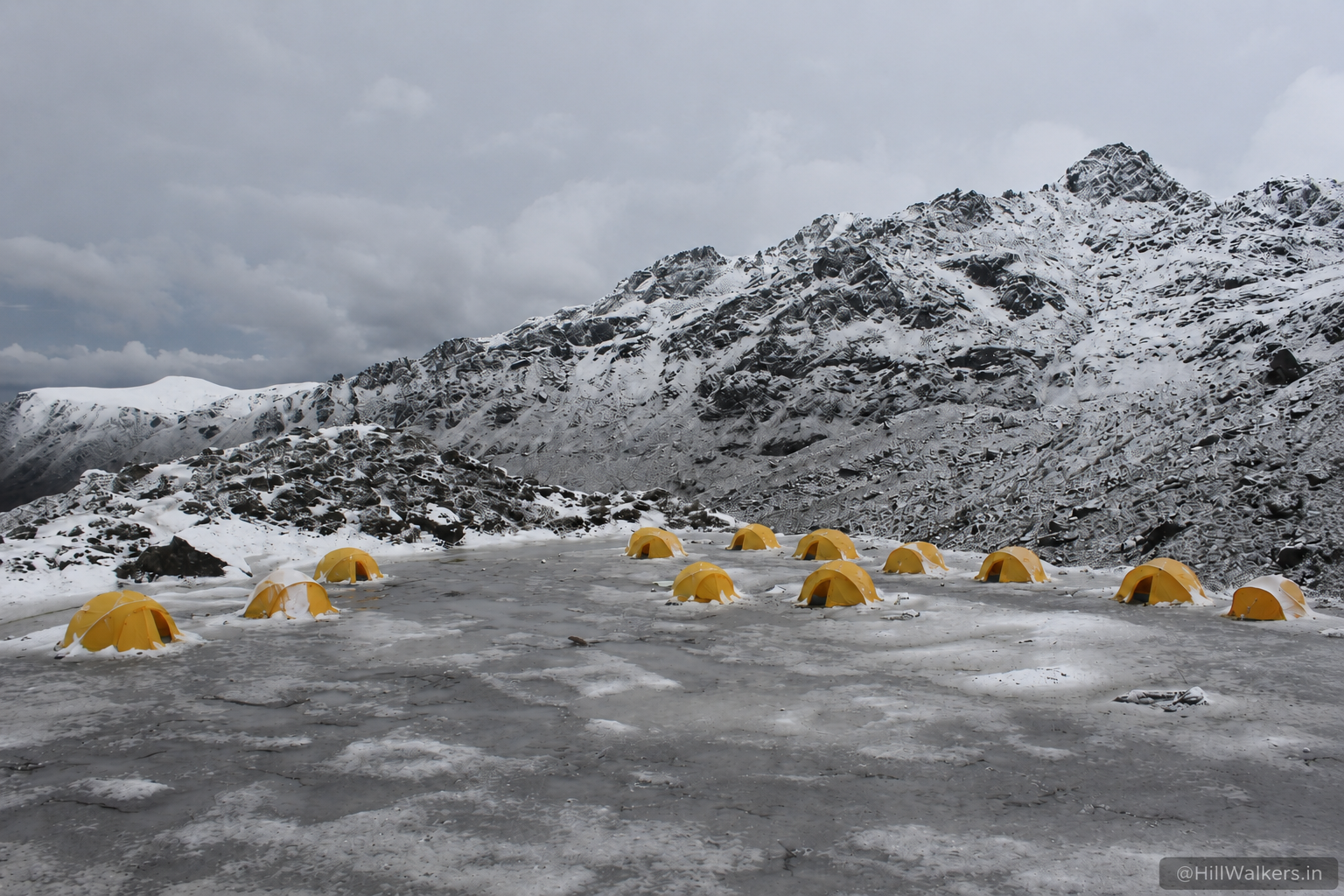
How to Choose the Right Trekking Organization for Your Next Himalayan Trek
A Himalayan trek can become one of your most memorable experiences. It can also become a frustrating one if expectations don’t match reality.
Every year, especially on popular treks like Kedarkantha, Hampta Pass, Valley of Flowers, and many others, trekkers book with an organization based solely on price, social media presence, or recommendations from friends.
Most trekking organizations genuinely work hard to provide good experiences. However, standards can vary significantly. A little research before booking can save you from disappointment later.
Here are a few things worth checking before you confirm your next Himalayan trek.
1. How Large Is the Group?
One of the biggest factors affecting your experience is group size.
A batch of 15–20 people feels very different from a batch of 60–80 people.
Large groups often mean
- Longer waiting times
- Slower movement
- Less interaction with trek leaders
- Crowded campsites
- Delays during emergencies
Ask: - What is the typical batch size?
- How many trek leaders will accompany the group?
- What is the leader-to-participant ratio?
A good organization plans staffing according to group size.
2. Who Will Lead the Trek?
Many people focus on the destination but forget to ask about the team leading it.
A trek leader’s role goes far beyond showing the route. They are responsible for group management, participant safety, emergency response, and decision-making when conditions become difficult.
Ask about:
- Trek leader experience
- First aid or wilderness medical training
- Number of seasons they have worked on that route
For Himalayan treks, it is also important that leaders understand altitude related illnesses and know when a participant should rest, descend, or seek medical help.
3. What Happens If Weather Changes?
Mountains rarely follow the itinerary.
Bad weather, landslides, snowfall, swollen streams, road closures, and transport delays are all part of Himalayan travel.
The question is not whether things will go wrong.
The question is:
What is the organization’s backup plan when they do?
Ask:
- What happens if the summit or pass cannot be reached?
- Are alternate camps or routes available?
- How are delays managed?
- What is the evacuation process?
Organizations that discuss contingencies openly are usually better prepared.
4. Read Reviews Carefully
Do not rely only on promotional posts.
Look for:
- Google reviews
- Trek reports
- Community discussions
- Feedback from previous participants
Pay attention to repeated complaints.
One negative review may not mean much.
However, repeated feedback about overcrowding, poor food, lack of communication, safety concerns, or mismanaged logistics often indicates a pattern.
5. What Are the Camping and Stay Arrangements?
Marketing photos often show the best conditions.
Ask for practical details:
- How many people share a tent?
- What type of toilets are available?
- How is drinking water managed?
- Are campsites fixed or temporary?
Comfort is subjective, but basic hygiene should never be compromised.
6. How Is Food Managed?
Good food can make a tough trek manageable.
Poor food can ruin the experience.
Ask:
- Are meals prepared fresh?
- Is safe drinking water provided?
- Are vegetarian options available?
- How are dietary restrictions handled?
Food quality becomes increasingly important on multi-day Himalayan treks where your body is already under physical stress.
7. Do They Carry First Aid and Emergency Equipment?
Every trekking organization should carry a proper first aid kit.
For Himalayan treks, ask about:
- Oxygen support
- Pulse oximeters
- Emergency communication devices
- Evacuation procedures
Mobile networks are often unavailable in remote mountain regions. Some organizations also carry radios or satellite communication devices for emergencies.
The goal is not to eliminate risk completely.
The goal is to ensure the team is prepared when things don’t go according to plan.
8. What Is Included and What Is Not?
Many misunderstandings happen because participants assume something is included.
Clarify:
- Transportation
- Accommodation
- Meals
- Forest permits
- Equipment rentals
- Offloading charges
- Emergency expenses
Getting clarity beforehand can prevent unpleasant surprises later.
9. Trust Your Instincts
If an organization avoids questions, gives vague answers, or seems more focused on collecting payments than sharing information, take it as a warning sign.
Good organizations are usually transparent.
They explain risks honestly, answer questions patiently, and set realistic expectations.
10. A Few More Questions Worth Asking
Before making your final decision, ask a few additional questions.
What Is Their Acclimatization Policy?
A well-planned itinerary should allow trekkers to gain altitude gradually. Rushed itineraries may save time but can increase the chances of altitude-related problems.
How Do They Handle Altitude Sickness?
Altitude sickness can affect anyone, regardless of age or fitness level. Ask how participants are monitored and what steps are taken if someone develops symptoms.
How Do They Communicate When Networks Fail?
Mobile networks are often unavailable in many parts of the Himalayas. Ask whether trek leaders carry radios, satellite communicators, or other means of emergency communication.
What Happens During an Emergency?
Understanding the evacuation process, nearest road access, and emergency response procedures can tell you a lot about an organization’s preparedness.
Is the Price Too Good to Be True?
The cheapest trek is not always the best value.
A lower price may sometimes mean larger batches, fewer trek leaders, reduced support staff, or compromises in logistics. Compare what is included rather than comparing prices alone.
At Last
The mountains don’t care how much you paid for the trek, how many followers a company has, or how impressive the brochure looks.
When the weather changes, someone falls sick, or plans don’t go as expected, preparation matters.
No trekking organization can control weather, trail conditions, road closures, or unforeseen mountain situations. However, preparation, experience, communication, and decision-making often determine how well those challenges are handled.
Before booking your next Himalayan trek, spend a few extra minutes asking questions. Choose an organization that values safety, transparency, and experience as much as the destination itself.
The mountains will always be unpredictable.
Your trekking organization shouldn’t be.
A little research before booking can make the difference between an unforgettable adventure and a disappointing experience.
Note: Every trek is different. The points above are general guidelines and their relevance may vary depending on the region, season, altitude, terrain, and trek difficulty. Use them as a starting point rather than a fixed checklist.
Similar Posts
A Hike to Khardung Tso
Related Treks
Dayara Bugyal